
Interesting Facts About Outdoor Yoga and Mind-Body Wellness
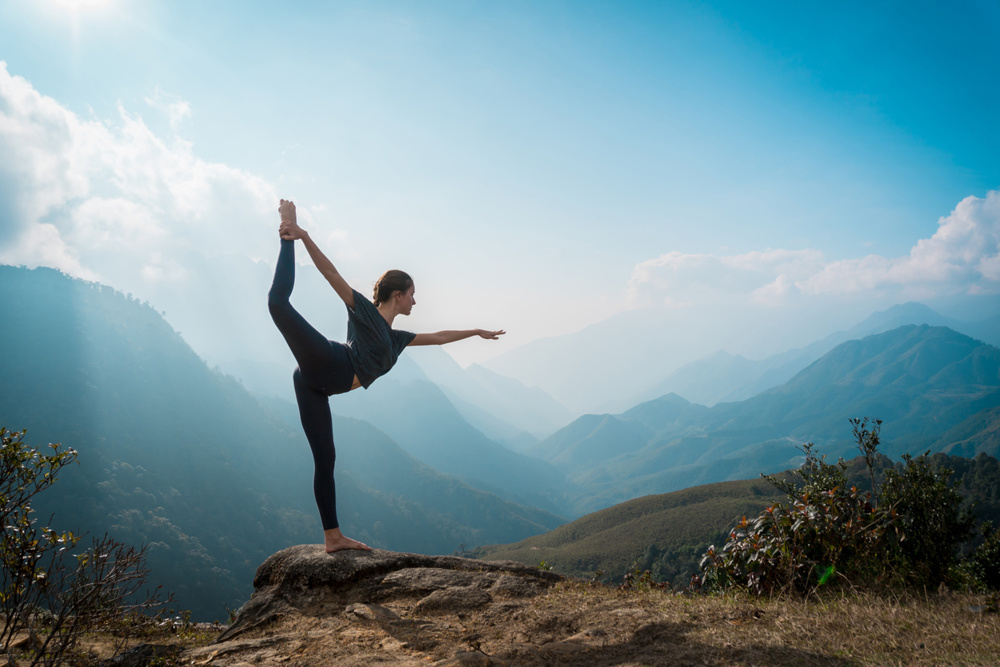
Outdoor yoga offers more than just a scenic backdrop—it changes how your body and mind respond to movement. Practicing on grass, sand, or uneven terrain forces stabilizing muscles to activate more deeply, improving balance and functional strength in ways a studio can’t fully replicate. At the same time, natural environments influence your nervous system, helping reduce stress and improve focus.
What makes this practice especially powerful is how it combines physical movement with environmental input. Sunlight, fresh air, and natural surroundings all work together to support mood, energy, and recovery. Instead of separating exercise from mental well-being, outdoor yoga integrates both into a single experience—one that continues to gain attention for its long-term benefits.
What Makes Outdoor Yoga Different From Indoor Practice?
Outdoor yoga immediately changes how your body engages with movement. Unlike a flat studio floor, natural surfaces introduce instability, requiring your ankles, core, and smaller stabilizing muscles to work harder. This improves proprioception—your awareness of body position—which plays a key role in balance and injury prevention.
Environmental factors also shape the experience. Temperature, wind, and terrain require subtle adjustments, making the practice more dynamic. You may need longer warm-ups in cooler conditions or adapt poses to uneven ground. This constant adaptation builds resilience and encourages a more intuitive connection with your body.
Indoor yoga, by contrast, offers control and consistency. Mirrors, flat surfaces, and stable temperatures allow for precise alignment and repetition. Both environments are valuable, but outdoor yoga introduces variability that challenges your body in ways a predictable setting cannot.

The Science Behind Nature's Stress-Reducing Power
Spending time in natural environments has a measurable effect on stress levels. Studies show that as little as 20–30 minutes outdoors can significantly reduce cortisol, the hormone associated with stress. This response is linked to how the brain processes natural stimuli.
One explanation comes from Attention Restoration Theory, which suggests that nature provides “soft fascination”—gentle, engaging stimuli that allow the brain to recover from mental fatigue. Unlike urban environments filled with constant demands, natural settings give your attention a chance to reset.
Another factor is the body’s evolutionary response to nature. Humans are biologically wired to respond positively to natural environments, which historically signaled safety and resources. This connection helps explain why outdoor yoga often feels calming even without conscious effort.
How Sunlight and Serotonin Elevate Your Mood During Morning Practice
Step outside before 10 AM, and your brain immediately begins shifting chemistry in your favor. Morning sunlight hitting your retina signals increased serotonin and dopamine production, stabilizing your mood and sharpening your focus. This serotonin surge also suppresses daytime melatonin, keeping you alert and energized throughout the day.
Because serotonin converts to melatonin at night, your morning light exposure directly improves your sleep quality later. Low sunlight exposure reduces serotonin, raising your risk of depression and seasonal mood disruptions. Aligning your outdoor yoga practice with natural sleep cycles can further deepen rest quality by ensuring you wake at the end of a cycle rather than mid-cycle.
Combining outdoor yoga with natural light amplifies these benefits further. Just 10-15 minutes of early daylight supports emotional balance, vitamin D production, and mental clarity. Skip the sunglasses initially, let the light reach your retina, and let your body's chemistry do the rest. Even on overcast mornings, outdoor brightness far exceeds indoor lighting levels, meaning your circadian rhythm still receives the reinforcement it needs to keep your body clock properly anchored.
Why Fresh Air and Oxygen Sharpen Your Mental Clarity Outdoors
Sunlight isn't the only thing working in your favor once you take your practice outside. Fresh air carries higher oxygen concentration than indoor environments, and those oxygenation benefits reach your brain quickly, clearing mental fog and sharpening focus. Phytoncides released by surrounding trees lower your cortisol levels, while deep breathing triggers serotonin release, calming your nervous system almost immediately.
Attention restoration theory explains what you likely already feel — natural settings give your directed attention a chance to recover, reducing mental fatigue caused by constant urban stimulation. Research confirms that just 15 minutes in green spaces multiple times weekly improves concentration and mood.
Walking or practicing yoga outdoors also boosts memory and problem-solving, making nature an active partner in your cognitive well-being. A Stanford study found that spending time in nature reduces activity in the brain region linked to repetitive negative thoughts, offering a measurable emotional and psychological benefit beyond simple relaxation.
Step deeper into the world of yoga and wellness with more fascinating facts and trivia.
Why Uneven Surfaces Build Strength You Can't Get in a Studio
Practicing on uneven ground introduces constant micro-adjustments in your body. Muscles that might remain inactive on a stable surface are forced to engage, particularly in the feet, ankles, and core. Even simple poses become more demanding because your body is continuously working to maintain balance.
This type of engagement improves functional strength—the kind you use in everyday movement. Instead of isolating muscles, outdoor yoga trains them to work together, enhancing coordination and stability. This reduces the risk of injury not just during exercise, but in daily activities like walking on uneven paths or carrying weight.
Over time, these small adjustments build a more resilient body. Your muscles learn to respond quickly to changes in terrain, improving reaction time and control. Rather than relying on controlled conditions, your body adapts to variability, making movement more efficient, stable, and natural.
How Grounding Barefoot in Outdoor Yoga Regulates Your Body
Practicing yoga barefoot on natural surfaces introduces direct sensory input from the ground. This increases awareness of pressure, texture, and movement, helping improve balance and coordination. Your feet become more active participants in movement rather than passive support structures.
Some theories suggest that physical contact with the earth may influence the body’s electrical balance, though this remains an area of ongoing research. What is clearly understood is that barefoot practice enhances sensory feedback, allowing for more precise alignment and movement control.
This connection to the ground also has a calming effect. Feeling grass, sand, or soil beneath your feet reinforces a sense of stability and presence. This sensory grounding supports relaxation, helping your nervous system shift away from stress and toward a more balanced, regulated state.
How Morning Outdoor Yoga Syncs Your Circadian Rhythm for Better Sleep
Barefoot grounding already begins realigning your cortisol rhythm with the earth beneath you, but morning outdoor yoga takes that reset even further by targeting your body's master clock directly.
Practicing outdoors at 9 am delivers circadian cues through your retinal pathways, signaling your suprachiasmatic nucleus to anchor your 24-hour cycle. This directly reduces sleep latency by triggering melatonin release 12–14 hours later.
Here's what you're activating with consistent morning practice:
- Cortisol synchronization through Sun Salutations supporting your natural awakening response
- Light entrainment that regulates metabolism and immune function
- Autonomic balance via Prāṇāyāma stabilizing daytime energy
- Restorative sleep cycles by normalizing sympathetic nervous system activity
Practice within 30–60 minutes of waking for the strongest rhythm anchoring. Ancient yogic tradition similarly prescribed waking during Brahma Muhurta and practicing at sunrise to synchronize the body with natural solar cycles and preserve mental clarity.
How Outdoor Yoga Boosts Cognitive Function and Mental Focus
While morning light anchors your body's master clock, outdoor yoga also reshapes the brain itself. Regular practice builds gray matter volume in key regions, and experienced practitioners show virtually none of the age-related brain shrinkage seen in non-practitioners.
Your cognitive gains extend beyond physical brain changes. Outdoor yoga sharpens attention, accelerates processing speed, and strengthens executive functions like decision-making and memory. Nature's varied sights, sounds, and smells independently stimulate your brain, compounding these effects.
Breath awareness amplifies the benefits further. Controlled breathing increases oxygen delivery, reduces mental fatigue, and directly improves problem-solving. Combined with movement, it drives neural flexibility—reorganizing your brain's connectivity networks into denser, more efficient configurations. The result is greater cognitive bandwidth, letting you disengage from distractions and sustain sharper mental focus throughout your day.
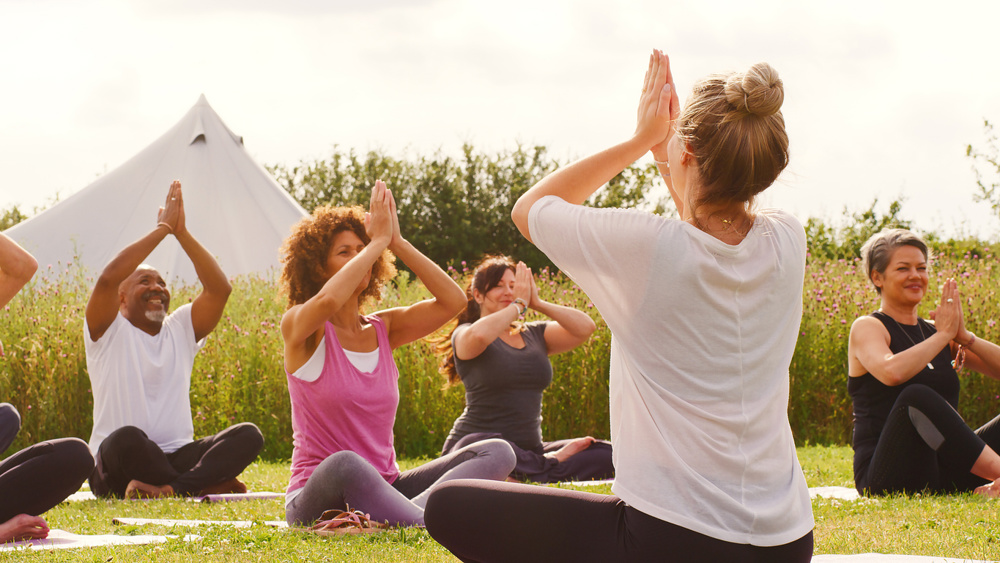
How Outdoor Yoga Group Practice Builds Real Community Connection
The moment you step onto a mat surrounded by others, something shifts. You're not just exercising — you're participating in community rituals that build genuine bonds. Synchronized breath, shared milestones like mastering difficult poses, and collective Savasana releases create powerful interpersonal connections you won't find solo.
Here's what group outdoor yoga actually delivers:
- Accountability — others motivate you beyond what solo practice achieves
- Belonging — like-minded people reduce isolation and celebrate your progress
- Diversity — varied backgrounds and skill levels enrich every interaction
- Extended connections — friendships deepen through potlucks, retreats, and community initiatives
Regular participation lowers stress and transforms strangers into a genuine support network.
How to Build an Outdoor Yoga Routine You'll Actually Stick To
Consistency is key when developing any wellness habit. Outdoor yoga becomes sustainable when it fits naturally into your routine rather than feeling like something extra you have to force into your day. When it blends into what you already do—like stepping outside in the morning or unwinding after work—it becomes easier to maintain without relying on motivation alone.
Start with simple cues—practice at the same time each day or associate your routine with a specific location. This reduces decision fatigue and helps turn the habit into something automatic rather than something you have to think about. Over time, these cues create a mental link between your environment and your practice, making it easier to begin without hesitation.
Flexibility also matters. Short sessions can be just as effective as longer ones, especially when time is limited. A few minutes of stretching, breathing, or simple poses still reinforces the habit. The goal is to show up regularly, not perfectly. Over time, this consistency builds a routine that feels natural, making it easier to maintain in the long run.
Conclusion
Outdoor yoga works because it combines movement with environment in a way that feels natural rather than forced. Instead of isolating exercise from daily life, it integrates physical activity, mental clarity, and environmental awareness into a single experience.
In the end, outdoor yoga isn’t just about where you practice—it’s about how you engage with your body and your surroundings. By stepping outside, you’re not just changing your location—you’re changing the way your body moves, your mind focuses, and your routine evolves over time.