Austin’s Unique Living Culture That Visitors Love
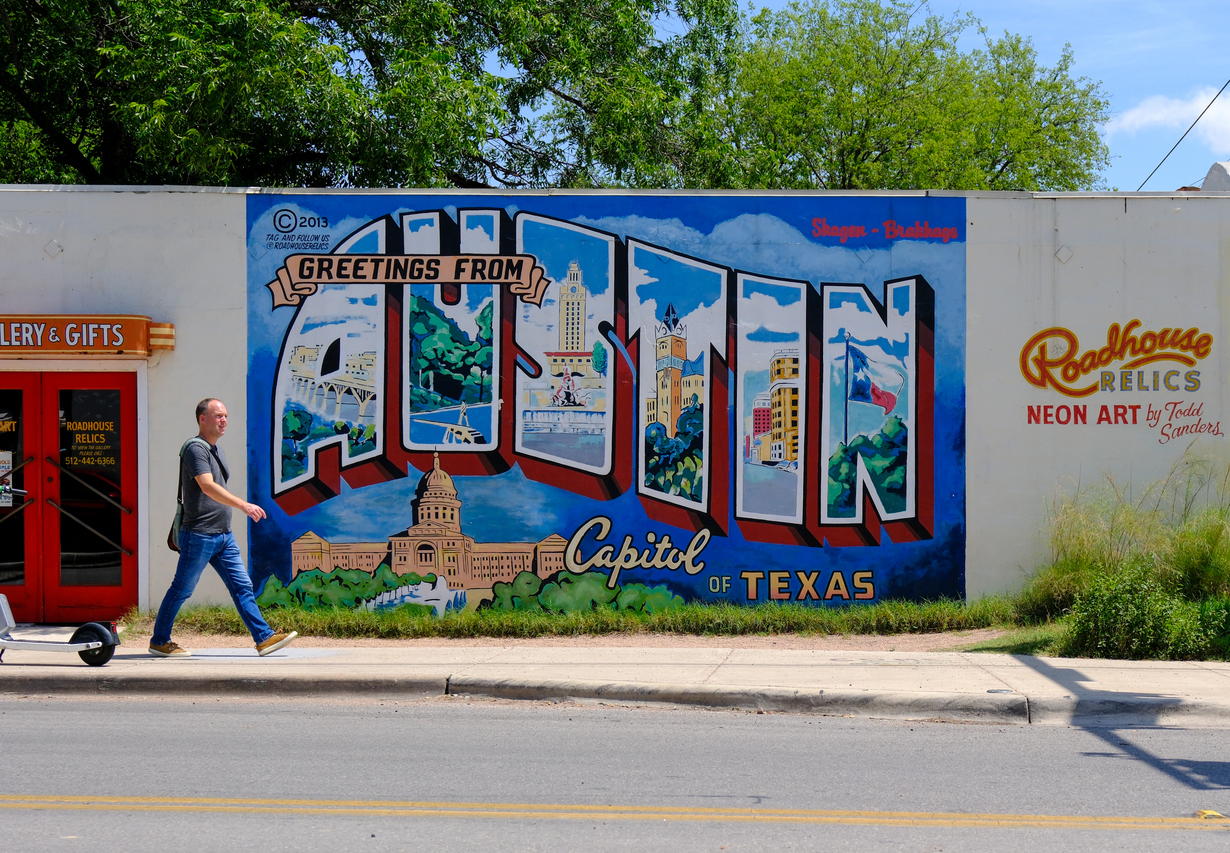
Austin's living culture thrives on authenticity and creativity, where live music, outdoor living, and diverse food experiences shape everyday life. You'll find hundreds of live music venues hosting everything from indie bands to country legends, while a thriving network of food trucks serves tacos, barbecue, and global cuisine across the city. The “Keep Austin Weird” spirit reflects a commitment to supporting local businesses, celebrating individuality, and preserving cultural identity. Massive festivals like SXSW and Austin City Limits draw global audiences, while neighborhoods showcase street art, inclusive communities, and rich cultural heritage.
Why Austin Is the Live Music Capital of the World
View this post on Instagram
Austin didn’t stumble into its “Live Music Capital of the World” title—the city earned it through decades of cultivating a vibrant and diverse music ecosystem. Officially designated in 1991, this recognition reflects Austin’s concentration of live music venues, recording artists, and performance spaces across areas like 6th Street, the Red River Cultural District, and South Congress. The local music economy supports thousands of jobs and businesses, with venues ranging from intimate bars to major stages like Austin City Limits Live at The Moody Theater. Events such as South by Southwest (SXSW) and the Austin City Limits Music Festival continue to reinforce the city’s global reputation. Austin’s musical roots date back to early German cultural halls like Scholz Garten and Saengerrunde Hall, laying the groundwork for a city that still prioritizes live performance today.
Where to Experience Austin's Best Live Music Venues and Festivals
View this post on Instagram
Experiencing Austin’s music scene starts with knowing where to go. Major venues include Bass Concert Hall, the largest theater in the city, and ACL Live at The Moody Theater, home to the long-running PBS series. Outdoor spaces like Moody Amphitheater at Waterloo Park and Stubb’s Waller Creek Amphitheater offer memorable concert experiences, while Circuit of The Americas (COTA) hosts large-scale music events and festivals. Smaller venues along Red River Street and East Austin provide a more intimate setting for discovering local talent. Whether you're attending a festival or catching a late-night set, Austin’s music scene remains accessible and deeply embedded in daily life.
What Keep Austin Weird Really Means for Local Culture
View this post on Instagram
“Keep Austin Weird” began as a grassroots slogan in the early 2000s and evolved into a citywide philosophy focused on protecting independent businesses and creative expression. The phrase reflects Austin’s resistance to over-commercialization and its support for local entrepreneurs. You’ll see this culture reflected in independent bookstores like BookPeople, record shops like Waterloo Records, and unique attractions such as the Cathedral of Junk. Community events, street performances, and local art installations all contribute to a culture that values individuality, creativity, and local identity.
Austin's Food Truck Scene and Farm-to-Table Restaurants
Austin’s food scene is defined by its food truck culture and farm-to-table dining, offering a wide range of options across neighborhoods. While the number of trucks fluctuates, there are hundreds of active food trucks operating in parks and designated areas like The Picnic (near Zilker Park) and Thicket Food Park in South Austin. This movement expanded significantly after the 2008 recession, when chefs turned to mobile kitchens as a more accessible business model. At the same time, restaurants began emphasizing locally sourced ingredients, often supplied by farmers markets such as the Texas Farmers’ Market at Mueller. Together, these trends reflect Austin’s focus on fresh, local, and creative food experiences.
How SXSW and Austin City Limits Put Austin on the Map
View this post on Instagram
SXSW began in 1987 as a regional music festival and has grown into a global event spanning music, film, and technology. Today, it attracts hundreds of thousands of attendees and generates significant economic impact for the city. Similarly, the Austin City Limits Music Festival, held annually in Zilker Park, showcases major artists across multiple stages and draws visitors from around the world. These events have helped position Austin as a destination where culture, creativity, and innovation intersect, reinforcing its reputation beyond Texas.
Austin's Year-Round Outdoor Living: Parks and Green Spaces
View this post on Instagram
Austin’s lifestyle is closely tied to its outdoor spaces, with over 300 parks and nearly 20,000 acres of green space throughout the city. Popular destinations like Zilker Park, Barton Creek Greenbelt, and Lady Bird Lake offer opportunities for hiking, kayaking, and cycling. Many residents live within walking distance of a park or trail, making outdoor activity part of daily life. Amenities such as playgrounds, trails, and swimming areas—including Barton Springs Pool—support a culture that values health, recreation, and connection to nature year-round.
Where Austin's Tech Industry and Creative Community Meet
Austin stands out for its ability to blend technology and creativity, creating a culture where innovation feels approachable and community-driven. Coworking spaces, design studios, and startup hubs often double as creative venues, hosting events that combine art, music, and technology. Areas like Downtown, East Austin, and The Domain have become centers where tech professionals collaborate with artists and entrepreneurs. This overlap creates a city where innovation is not isolated but integrated into everyday culture, contributing to Austin’s identity as both a tech hub and creative capital.
Best Austin Neighborhoods by Vibe for Visitors
Austin’s culture varies by neighborhood, and choosing the right area can shape your entire experience.
- Live Music & Entertainment – Red River District / Downtown Home to iconic venues and late-night shows, this area is ideal if you want to experience Austin’s live music scene up close.
- Food & Local Flavor – East Austin Known for food trucks, diverse cuisine, and creative dining spots, East Austin blends historic culture with modern culinary innovation.
- Shopping & Scenic Walks – South Congress (SoCo) A walkable district with boutiques, murals, and cafés, perfect for visitors seeking iconic Austin views and relaxed daytime exploration.
- Nightlife & Social Scene – Rainey Street / 6th Street Offers a mix of bungalow bars, live music, and nightlife energy, especially popular in the evenings.
- Family-Friendly & Outdoor Living – Zilker / South Lamar Close to parks, trails, and attractions like Barton Springs and Zilker Park, making it ideal for families and daytime activities.
This breakdown helps visitors quickly match neighborhoods to their interests and travel style.
Austin's LGBTQ+-Friendly Neighborhoods and Pride Scene
View this post on Instagram
Austin is widely recognized for its inclusive and welcoming environment, with a strong LGBTQ+ presence across multiple neighborhoods. Rather than being confined to one district, the community is active throughout areas like Downtown, East Austin, South Lamar, and Travis Heights. The 4th Street district remains a focal point for nightlife, with long-standing venues such as Oilcan Harry’s and other bars. Annual events like Austin Pride celebrate diversity through parades, performances, and community gatherings, reflecting the city’s commitment to inclusion.
Cultural Centers Celebrating Austin's Latino and Black Heritage
Austin’s cultural institutions highlight the city’s diverse heritage through dedicated spaces and programming. The Emma S. Barrientos Mexican American Cultural Center (MACC) offers classes, exhibits, and events celebrating Latino culture, while the Mexic-Arte Museum showcases Mexican and Mexican-American art. Additional venues like Teatro Vivo present bilingual performances rooted in local experiences. For African American heritage, the George Washington Carver Museum and Cultural Center in East Austin provides exhibits, educational programs, and community events that preserve and share Black history in the region. These institutions contribute to a deeper understanding of Austin’s multicultural identity.
Austin's Street Art, Murals, and Spontaneous Performances
View this post on Instagram
Austin’s streets double as open-air galleries, with murals and public art scattered throughout the city. The iconic “Greetings from Austin” mural at 1720 S. First Street remains one of the most photographed spots, while South Congress features additional favorites like “I Love You So Much.” Downtown and East Austin showcase large-scale works, including murals by internationally recognized artists. Street performers, musicians, and pop-up art installations add to the experience, creating a city where art is part of everyday life rather than confined to galleries.
Getting Around Austin’s Cultural Districts
Austin’s cultural districts are spread across the city, but getting between them is manageable with a mix of transportation options.
- Rideshare Services (Uber/Lyft): the most convenient way to travel between areas like Downtown, East Austin, and South Congress
- Biking and Scooters: widely available and ideal for short distances, especially near Lady Bird Lake and Downtown
- CapMetro Bus and Rail: connects major areas, including Downtown and North Austin
- Driving: useful for reaching areas like The Domain or Hill Country, though traffic can be heavy during peak hours
Parking is generally easier in East Austin and South Austin, while Downtown often requires paid garages. Planning routes in advance helps you move efficiently between Austin’s key cultural spots.