How Holistic Living Became a Force in Pop Culture
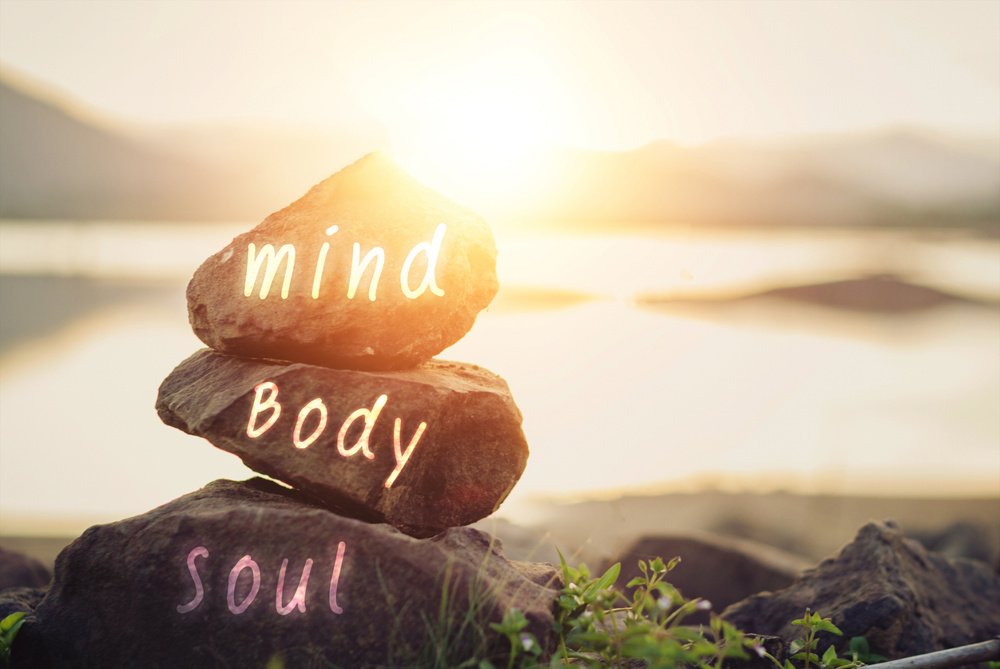
Holistic living didn’t start as a mainstream movement—it began as a quiet, alternative approach to health rooted in yoga communities, natural healing, and intentional lifestyles. For years, it existed on the edges of culture, practiced by smaller groups who prioritized balance, mindfulness, and non-traditional wellness methods.
Today, it’s something entirely different. Holistic living has become a defining part of pop culture, influencing how people eat, move, think, and even present themselves. What was once a niche is now visible everywhere—from celebrity routines to social media trends—reshaping not just health habits, but cultural identity itself.
Holistic Living's Unlikely Journey Into the Cultural Mainstream
Holistic living didn’t explode into popularity overnight—it expanded gradually, absorbing elements of modern culture along the way. What began as localized practices rooted in tradition evolved into something more flexible and adaptable, making it easier to integrate into everyday life.
The media played a key role in this transition. Television shows, documentaries, and lifestyle content introduced wellness concepts to broader audiences, often framing them as both aspirational and accessible. Practices like meditation, clean eating, and mindfulness became familiar, even to those who had never actively pursued them.
Social media accelerated this shift. Platforms turned wellness into something visible and shareable, allowing people to document routines, progress, and personal transformations. As a result, holistic living stopped being something you had to seek out—it became something you encountered daily.
The Celebrities and Influencers Who Turned Wellness Into a Trend
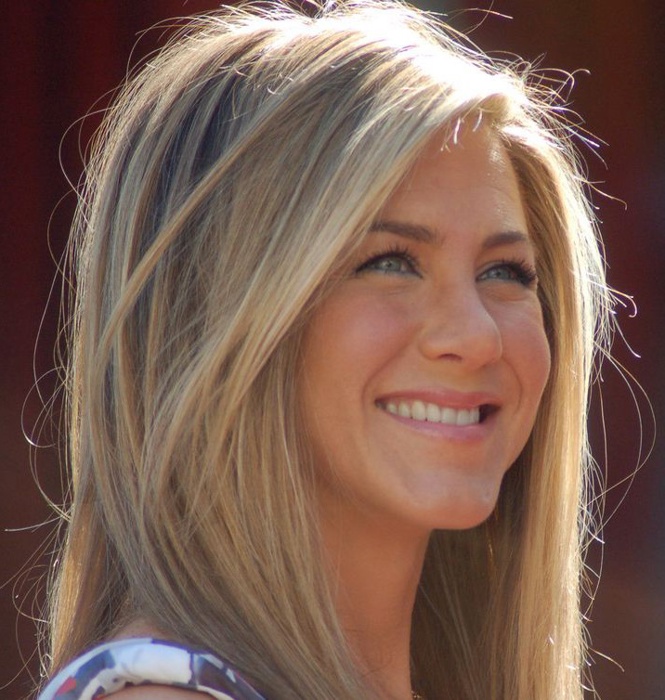
When celebrities started putting their wellness routines on full display, the world took notice. Their celebrity rituals became cultural blueprints you could actually follow. Through influencer partnerships and public platforms, these five women reshaped what healthy living looks like:
- Jennifer Aniston embraced yoga and clean eating as a complete lifestyle, not a temporary fix.
- Cameron Diaz authored wellness books that reframed aging as something to honor, not fight.
- Beyoncé launched a vegan meal service, connecting plant-based eating to both personal health and planetary responsibility.
- Kate Hudson built Fabletics into a fitness empire while Gwyneth Paltrow's Goop normalized organic, sustainable living.
At the same time, influencers made it more accessible. Unlike traditional celebrities, they shared daily routines in real time, breaking down practices into smaller, repeatable actions. This made holistic living feel less exclusive and more participatory.
Together, celebrities and influencers created a feedback loop. High-profile visibility set the standard, while everyday creators translated it into practical habits. This combination helped wellness move from inspiration to adoption.
Why Gen Z Turned to Holistic Living After the Pandemic
For Gen Z, holistic living wasn’t just a trend—it was a response. The pandemic disrupted routines, increased stress, and forced a reevaluation of health, both physical and mental. Traditional approaches often felt insufficient, leading many to explore more intentional ways of living.
This shift focused on balance. Sleep, nutrition, movement, and mental health became priorities rather than afterthoughts. Conversations around therapy, burnout, and emotional well-being became normalized, reshaping how health was understood. Digital platforms made this transition faster.
Content related to workouts, mindfulness, and nutrition spread rapidly, making it easier to experiment with different approaches. Instead of following a single system, Gen Z adopted a mix of practices that fit their needs. This generation didn’t just adopt holistic living—they redefined it. They made it more flexible, more inclusive, and more integrated into daily life.
How Wellness Became the New Luxury Status Symbol
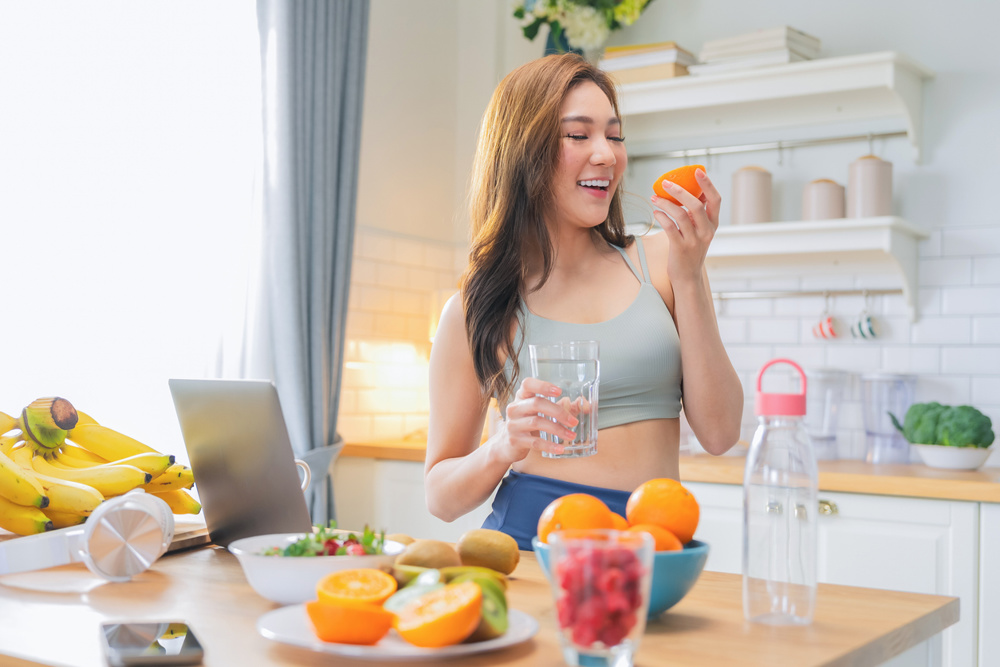
What began as a survival response has quietly evolved into something more aspirational — and more expensive. Wellness is no longer just self-care — it's your new status biomarker. You're not flashing watches or handbags anymore. You're tracking cortisol, optimizing REM sleep, and investing in ritual economics that signal discipline and vigor.
Consider what's replacing traditional luxury signals:
- Biological capital — your energy, longevity, and clarity are the new wealth displays
- Precision rituals — crystal oils, aura enhancers, and premium protocols replace ornamental consumption
- Time as currency — protecting your energy and stillness signals elite-level success
68% of younger ultra-high-net-worth individuals now prioritize wellbeing. Your body has become a portfolio, and how you maintain it tells everyone exactly where you stand. The global wellness industry is now valued at $2 trillion, with younger generations spending significantly more on wellness than their older counterparts.
The Misinformation, Exclusion, and Classism Hiding Inside Wellness Culture
Despite its benefits, wellness culture isn’t without issues. One of the most significant challenges is misinformation. Simplified advice, often presented without context, can spread quickly, creating confusion about what is actually effective.
Social media contributes to this problem by prioritizing visibility over accuracy. Content that is visually appealing or easy to understand tends to perform better, even if it lacks depth. This can lead to oversimplified or misleading ideas about health. Accessibility is another concern. Many wellness products and experiences come with high costs, making them difficult to access for a large portion of the population.
This creates a gap between what is promoted and what is realistically attainable. Recognizing these challenges is important. It allows for a more balanced approach—one that values both accessibility and accuracy while still acknowledging the benefits of holistic living.
Check out MrPopCulture.com and learn more about pop culture trends in holistic living.
How Social Media Turned Wellness Into Everyday Content
Social media didn’t just promote holistic living—it transformed it into something people engage with daily. Wellness became visible in a way it never was before, turning private routines into shared experiences that others could observe, learn from, and replicate. This shift made holistic living feel less distant and more integrated into everyday life.
Short-form content played a major role in this transformation. Platforms like TikTok and Instagram broke down complex practices into simple, digestible formats. Meditation techniques, meal prep ideas, and workout routines became easier to understand because they were demonstrated visually. This reduced the barrier to entry, making wellness feel accessible rather than specialized.
At the same time, social media introduced a cycle of constant evolution. Trends emerge quickly—whether it’s a new supplement, a specific routine, or a style of mindfulness—and spread across large audiences in a short period. This creates a dynamic environment where wellness is continuously reshaped by collective participation.
Why Holistic Living Appeals to Identity and Self-Expression
Holistic living has grown into a form of personal expression. The way people approach wellness—what they eat, how they move, and how they structure their routines—reflects their values and priorities. These choices communicate identity in subtle but meaningful ways.
This makes wellness more individualized. Instead of following a single standard, people adapt practices to fit their own needs and beliefs. One person might focus on mental clarity through meditation, while another emphasizes physical performance through structured fitness. Both approaches fall under the same broader concept, but they express different identities.
That flexibility also allows holistic living to evolve. As people’s priorities change, their routines shift with them. Wellness becomes less about achieving a fixed goal and more about maintaining alignment with personal values over time. Because of this, holistic living continues to expand. It doesn’t remain static—it adapts alongside the people who practice it, making it more relevant across different lifestyles and perspectives.
Why Holistic Living Continues to Shape Pop Culture
Holistic living remains influential because it fits naturally into changing cultural priorities. As conversations around mental health, sustainability, and work-life balance grow, wellness evolves to reflect those concerns. It absorbs new ideas while maintaining its core focus on balance and intentional living.
Its presence across multiple platforms strengthens that influence. Wellness appears in films, social media, advertising, and everyday routines, reinforcing its visibility. This constant exposure ensures that it remains part of cultural conversation rather than fading into the background.
Another reason for its longevity is its flexibility. Holistic living doesn’t depend on a single trend or interpretation. It can shift between different focuses—nutrition, mindfulness, fitness—without losing its identity. This makes it adaptable across generations. Rather than being a passing trend, it functions as a framework. It continues to shape how people define health, success, and lifestyle, ensuring its place within pop culture over time.
How Brands Turned Wellness Into a Lifestyle Industry
As holistic living gained popularity, brands recognized its potential and began shaping it into a full-scale lifestyle industry. Wellness products expanded beyond essentials, including everything from supplements and skincare to fitness technology and mental health apps.
This commercialization changed how wellness is experienced. Instead of being limited to practices, it became something people could purchase and integrate into their daily routines. Products were designed not just for function, but for experience—packaged in a way that aligned with the aesthetics and values of holistic living.
Marketing also played a significant role. Brands positioned wellness as aspirational, connecting it to ideas of balance, success, and self-improvement. This made it more appealing, but also blurred the line between genuine health practices and consumer-driven trends. As a result, wellness now exists at the intersection of culture and commerce. It continues to grow as both a personal practice and an industry shaped by demand.
How Community Keeps Holistic Living Relevant
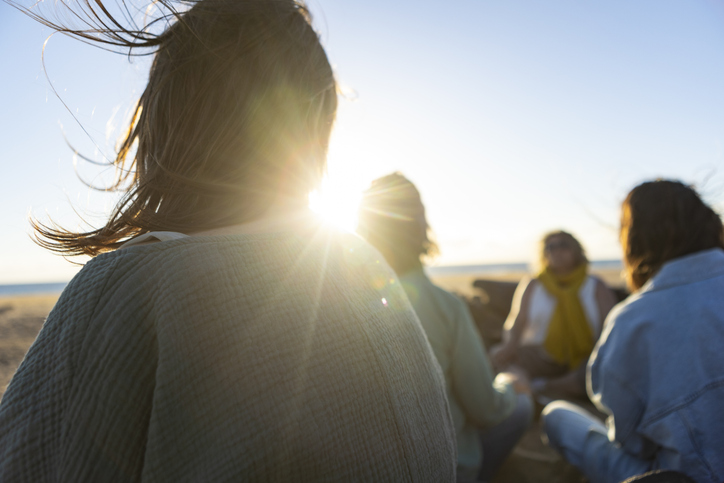
One of the strongest drivers of holistic living is community. Whether online or in physical spaces, people connect through shared wellness practices, creating a sense of belonging around similar goals and values.
These communities reinforce consistency. Group challenges, shared routines, and collective discussions make it easier to maintain habits. Instead of practicing in isolation, individuals become part of a larger network that supports their progress.
Community also drives innovation. As people share experiences, they introduce new ideas and refine existing practices. This collective input helps wellness evolve, making it more adaptable and inclusive. Because of this, holistic living remains active rather than static. It grows through interaction, ensuring that it continues to reflect the needs and perspectives of those who engage with it.
Conclusion
Holistic living didn’t become part of pop culture by accident. It grew through a combination of visibility, adaptability, and changing cultural priorities. What started as a niche practice expanded into something much larger, influencing how people approach both health and identity.
Its impact continues because it isn’t fixed. It evolves alongside the culture that surrounds it, reflecting new ideas while maintaining its core focus on balance and intentional living. That flexibility is what keeps it relevant—and what ensures it will remain part of the conversation moving forward.